
Contents
Overview
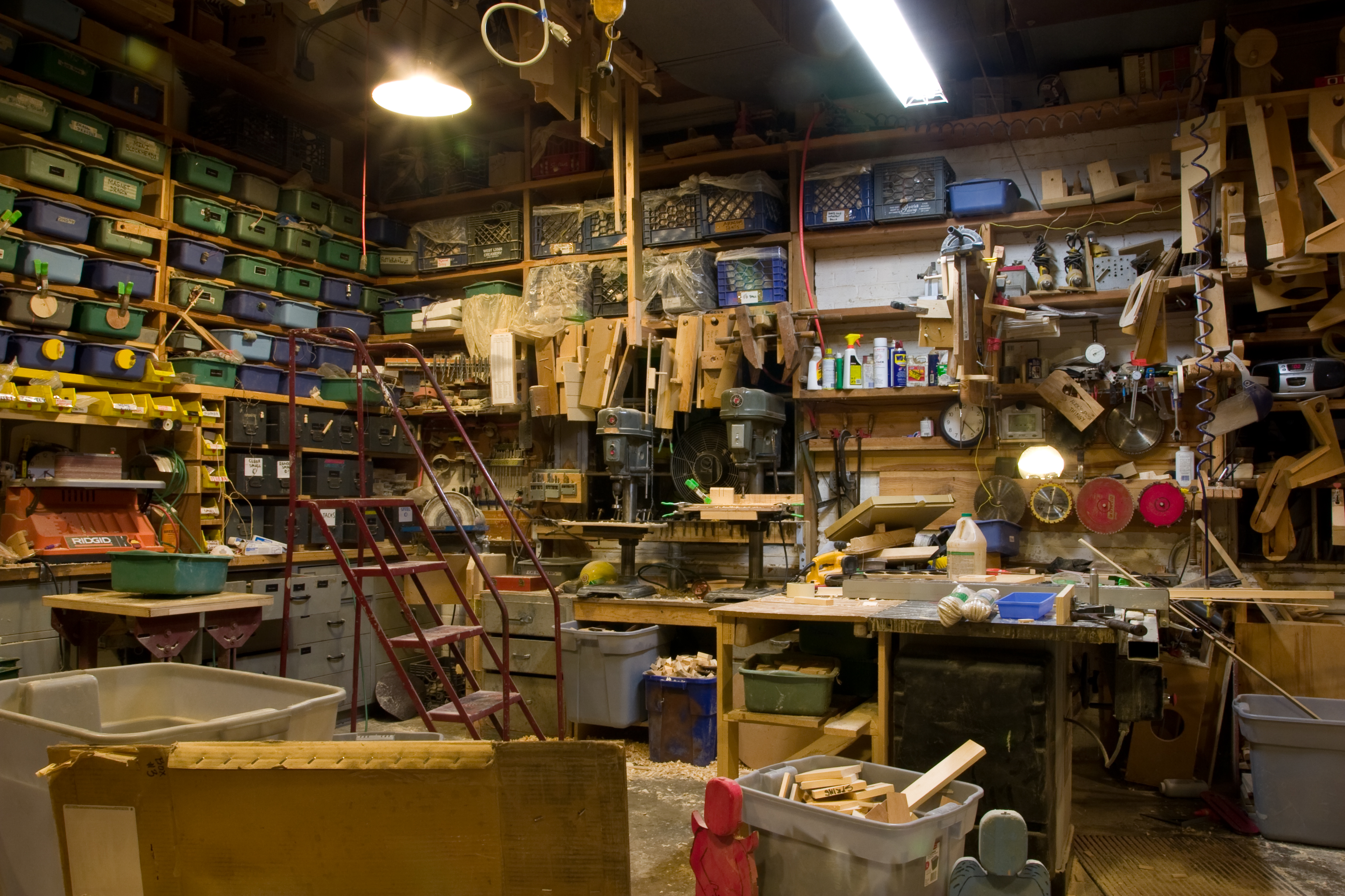
Workshops have been the cornerstone of industrial production and innovation. These facilities, which can range from small rooms to large buildings, provide the necessary space and tools for the manufacture, repair, and prototyping of goods. From traditional woodworking and metalworking to modern electronics and automotive repair, workshops have adapted to technological advancements and changing societal needs. With the rise of home workshops and makerspaces, individuals can now engage in hands-on production and innovation, fostering a culture of DIY entrepreneurship and community-driven collaboration. Today, workshops continue to play a vital role in driving economic growth, promoting sustainable development, and empowering individuals to create and innovate.
🎵 Origins & History
The first workshops were often small, family-owned businesses, such as blacksmithing and woodworking shops. As industrialization progressed, workshops grew in size and complexity, incorporating new technologies and machinery. Today, workshops can be found in a wide range of industries, from automotive repair to electronics and biotechnology.
⚙️ How It Works
A typical workshop is equipped with a variety of tools and machinery, including workbenches, hand tools, and power tools. The workshop process typically begins with design and planning, where engineers and designers work together to create prototypes and test products. Once the design is finalized, the production process begins, with skilled workers using a range of techniques, such as welding, machining, and assembly, to bring the product to life. Workshops often operate on a just-in-time production schedule, with materials and components sourced from suppliers and manufacturers. To ensure efficiency and quality, workshops typically implement quality control measures, such as inspection and testing. In recent years, many workshops have adopted lean manufacturing principles, which emphasize waste reduction, continuous improvement, and employee empowerment.
📊 Key Facts & Numbers
Workshops have had a profound impact on modern society, driving economic growth, innovation, and technological advancement. The rise of workshops has also led to the development of new industries, such as automotive and aerospace, which have transformed the way we live and work. In popular culture, workshops have been featured in films and have inspired a range of artistic and literary works.
👥 Key People & Organizations
One of the major controversies surrounding workshops is the issue of worker safety, with many workshops facing criticism for inadequate safety protocols and poor working conditions. Another controversy is the impact of workshops on the environment, with many facilities generating significant amounts of waste and pollution. Some critics argue that workshops are contributing to the decline of traditional craftsmanship and the homogenization of cultural heritage. Others argue that workshops are essential for driving innovation and economic growth, and that the benefits outweigh the costs.
🌍 Cultural Impact & Influence
According to some sources, the workshop industry is expected to experience significant growth in the next decade, driven by advances in artificial intelligence, robotics, and Internet of Things (IoT) technologies. The rise of Industry 4.0 and the Internet of Things (IoT) is expected to drive the development of new business models, such as product-as-a-service and platform-as-a-service.
⚡ Current State & Latest Developments
Workshops have a wide range of practical applications, from automotive repair and manufacturing to education and research. Many companies use workshops to develop and test new products and technologies. Workshops are also used in healthcare and biotechnology to develop new medical devices and treatments. In addition, workshops are used in education to provide hands-on learning experiences for students, with a focus on STEM education and project-based learning.
Key Facts
- Category
- workshops
- Type
- concept