
Contents
- 📚 Introduction to Reference Works
- 📊 Types of Reference Works
- 👥 Key Contributors and Editors
- 📈 Impact on Task Management and Productivity
- 🌐 Digital Reference Works and Online Resources
- 📚 Best Practices for Using Reference Works
- 🤔 Challenges and Limitations of Reference Works
- 📈 Future of Reference Works and Emerging Trends
- 📊 Case Studies and Success Stories
- 📚 Conclusion and Recommendations
- Frequently Asked Questions
- References
- Related Topics
Overview
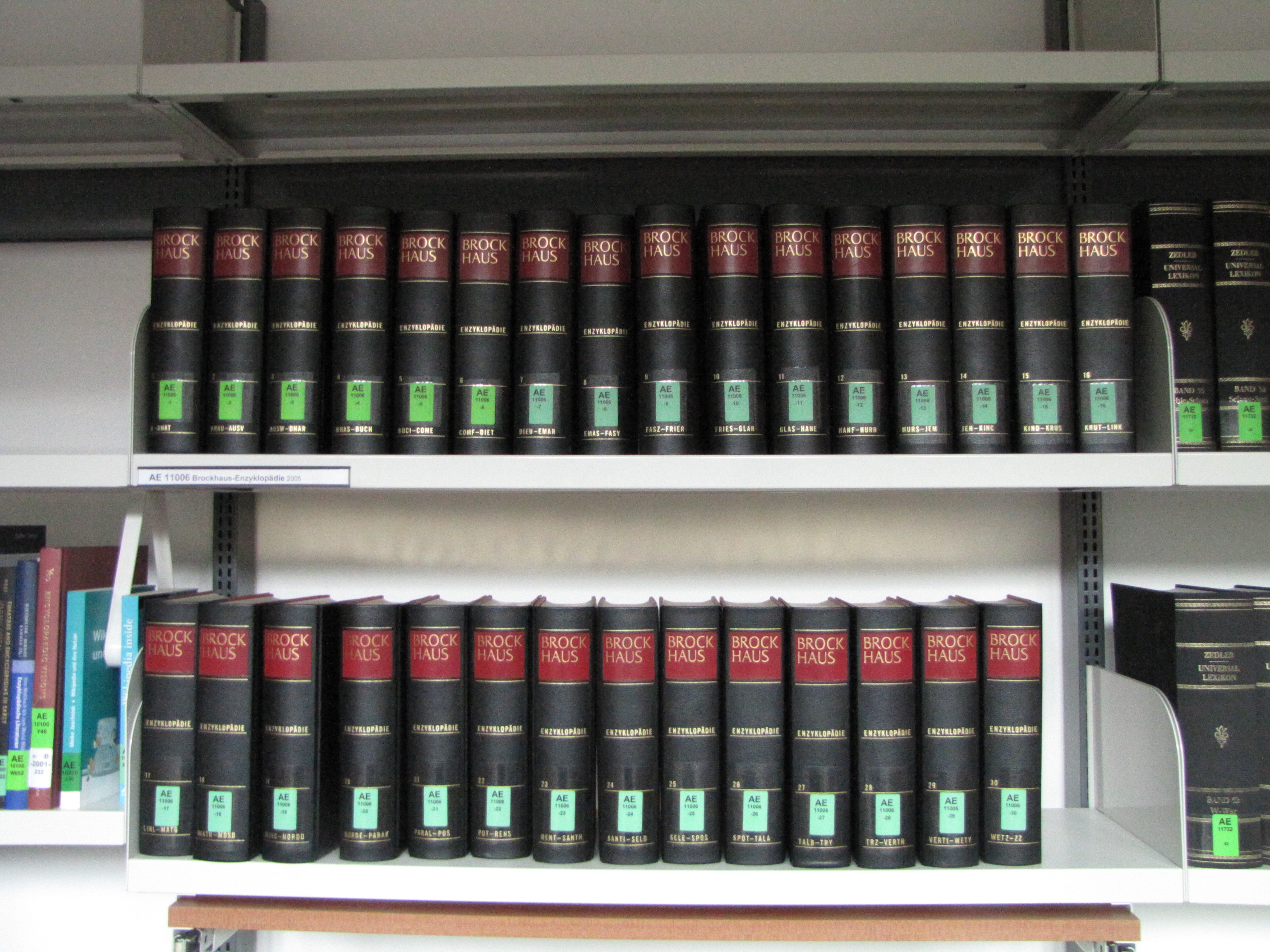
A reference work is a document or publication that provides accurate and reliable information on a specific topic, serving as a valuable resource for task management and productivity. These works are designed to be consulted quickly and efficiently, offering a wealth of knowledge and insights to support informed decision-making. Wikipedia has become a popular online resource for quick information. Online resources like Google Scholar and JSTOR provide access to a vast collection of academic articles and research papers. By leveraging reference works, users can streamline their workflow, reduce errors, and achieve their goals more effectively.
📚 Introduction to Reference Works
Introduction to Reference Works paragraph — Wikipedia has become a popular online resource for quick information. Online resources like Google Scholar and JSTOR provide access to a vast collection of academic articles and research papers.
📊 Types of Reference Works
Types of Reference Works —
👥 Key Contributors and Editors
Key Contributors and Editors —
📈 Impact on Task Management and Productivity
Impact on Task Management and Productivity — The use of reference works can improve student outcomes and academic achievement.
🌐 Digital Reference Works and Online Resources
Digital Reference Works and Online Resources — Online resources like Google Scholar and JSTOR provide access to a vast collection of academic articles and research papers.
📚 Best Practices for Using Reference Works
Best Practices for Using Reference Works — To get the most out of reference works, users should follow best practices such as evaluating sources, verifying information, and using multiple sources to confirm facts.
🤔 Challenges and Limitations of Reference Works
Challenges and Limitations of Reference Works — Despite their many benefits, reference works also have challenges and limitations, such as information overload, bias, and outdated information. Users must be aware of these challenges and limitations and take steps to mitigate them.
📈 Future of Reference Works and Emerging Trends
Future of Reference Works and Emerging Trends —
📊 Case Studies and Success Stories
Case Studies and Success Stories — The use of reference works can improve student outcomes and academic achievement.
📚 Conclusion and Recommendations
Conclusion and Recommendations — In conclusion, reference works are a valuable resource for task management and productivity, providing users with the information and insights they need to complete tasks efficiently and effectively. To get the most out of reference works, users should follow best practices, be aware of challenges and limitations, and stay up-to-date with emerging trends and technologies.
Key Facts
- Year
- 2020
- Origin
- Global
- Category
- blog
- Type
- concept
Frequently Asked Questions
What is a reference work?
A reference work is a document or publication that provides accurate and reliable information on a specific topic, serving as a valuable resource for task management and productivity.
What are the benefits of using reference works?
The benefits of using reference works include improved productivity and reduced errors. Reference works provide users with the information and insights they need to complete tasks efficiently and effectively.
What are the challenges and limitations of reference works?
The challenges and limitations of reference works include information overload, bias, and outdated information. Users must be aware of these challenges and limitations and take steps to mitigate them.
How can I use reference works effectively?
To use reference works effectively, users should follow best practices such as evaluating sources, verifying information, and using multiple sources to confirm facts. Users should also be aware of the challenges and limitations of reference works and take steps to mitigate them.